Plan A6
National Change Is Won Locally
Fellow Nigerians,
No nation transforms from the top alone.
National change begins in:
- wards,
- streets,
- polling units,
- communities,
- and local governments.
This is where political power first takes shape.
And this is precisely where bad leadership is weakest.
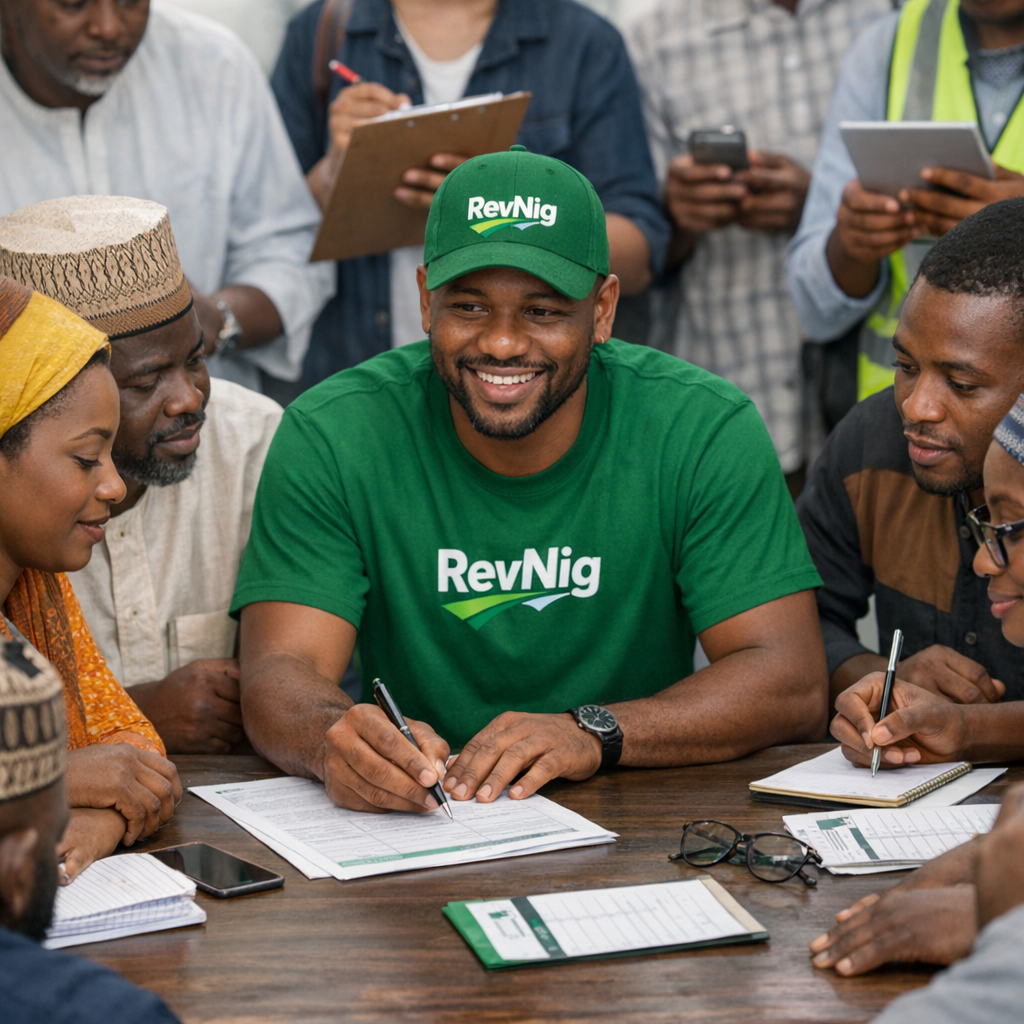
Plan A6 exists to organise Nigerian communities into disciplined local voting structures capable of determining governance from the ground upward.
Because when communities organise collectively, national transformation becomes inevitable.
Why Local Organisation Threatens Bad Leadership
Most elections in Nigeria are not lost because citizens voted incorrectly.
They are lost because:
- people stayed home,
- acted individually,
- or remained disorganised.
At state and local levels:
- turnout is often lower,
- inducement becomes cheaper,
- and manipulation becomes easier.
This creates an enormous opportunity for organised communities.
Because small but disciplined voter blocs can reshape entire political outcomes.
“The greatest fear of bad leadership is not angry citizens — it is organised citizens acting together locally.”
The Edo State Example
The mathematics of local power is already visible across Nigeria.
Consider the 2016 Edo State governorship election:
- Registered voters: ~1.7 million
- Total votes cast: ~613,244
- Registered non-voters: ~1.1 million
The winning candidate secured approximately:
- 253,173 votes
This means:
less than one quarter of registered voters effectively determined the governorship of the entire state.
Meanwhile, over one million registered citizens remained absent.
This pattern repeats itself nationwide:
- across states,
- local governments,
- wards,
- and council elections.
Plan A6 exists to end this imbalance permanently.
Why State and Local Elections Matter
Many Nigerians focus heavily on presidential elections while underestimating the enormous influence of state and local governance.
Yet governors and local councils control:
- education systems,
- primary healthcare,
- local infrastructure,
- markets,
- transportation systems,
- rural development,
- and significant portions of public spending.
In many places, these offices are decided by:
- tens of thousands of votes,
- or sometimes only a few thousand.
This means organised communities already possess enough power to reshape governance locally.
The RevNig Local Organisation Model
Plan A6 transforms political participation from scattered emotional reactions into disciplined civic coordination.
1. Organise by Geography, Not Division
RevNig structures mobilisation around:
- wards,
- local governments,
- and states.
Not around:
- ethnic hostility,
- religious division,
- or temporary party slogans.
This creates:
- predictable turnout,
- strategic discipline,
- and sustainable community organisation.
2. Build Community Voter Cells
Each RevNig local structure functions as a civic coordination unit.
These local cells:
- Know their registered voters
- Identify unregistered eligible citizens
- Coordinate turnout
- Share verified information
- Screen local candidates
- Track community priorities
This transforms elections from reactive chaos into organised civic participation.
3. Activate Youth, Diaspora, and Digital Networks Locally
Every state and local government contains:
- youth populations,
- diaspora connections,
- and expanding digital communities.
Plan A6 synchronises:
- conviction voting,
- diaspora influence,
- and online coordination,
directly at the local level where electoral outcomes are most vulnerable to manipulation.
Related Plans:
- Plan A3: The 29+ Million Vote Shift
- Plan A4: The 20 Million Multiplier Effect
- Plan A5: From Connection to Coordination
Why This Model Weakens Rigging
Electoral manipulation thrives under three conditions:
- low turnout,
- scattered participation,
- and unpredictable voter behaviour.
Organised communities disrupt all three.
Disciplined local mobilisation:
- increases scrutiny,
- creates predictable turnout patterns,
- exposes irregularities quickly,
- and reduces the ability to alter results unnoticed.
When mobilisation data and final outcomes strongly align, false results become harder to defend.
This:
- reduces tension,
- weakens post-election violence narratives,
- and strengthens public confidence in democratic participation.
“Rigging becomes harder when communities organise before elections instead of reacting after them.”
From Local Wins to National Transformation
National power is built gradually.
When citizens organise successfully at:
- ward level,
- local government level,
- and state level,
national outcomes begin changing naturally.
This is how:
- communities influence councils,
- councils influence states,
- and states influence the federation.
The 20 million voter force is not merely a national concept.
It is:
- hundreds of organised wards,
- dozens of coordinated states,
- and millions of disciplined local voters acting with common purpose.
A Message to Nigerian Communities
Fellow Nigerians,
You do not need millions of people to change your community.
You need organisation.
A community that votes strategically:
- commands political attention,
- rejects imposed candidates,
- influences development priorities,
- and protects its democratic voice.
RevNig provides the framework for that organisation.
Organise locally.
Act collectively.
Vote strategically.
Join RevNig.
Strategic Continuation Path
Plan A6 connects directly with the earlier pillars of Plan A:
- Plan A: How Voters Decide Nigeria
- Plan A1: The Power of Presence
- Plan A2: Registering the Missing Millions
- Plan A3: The 29+ Million Vote Shift
- Plan A4: The 20 Million Multiplier Effect
Each plan strengthens the others.
None stands alone.
Mission Vanguard
From scattered communities → to organised blocs
From isolated turnout → to strategic participation
From local coordination → to national transformation
Yes We Will.
Continue Reading
At the centre of every democratic transformation stands one decisive force — the youth.
Next: